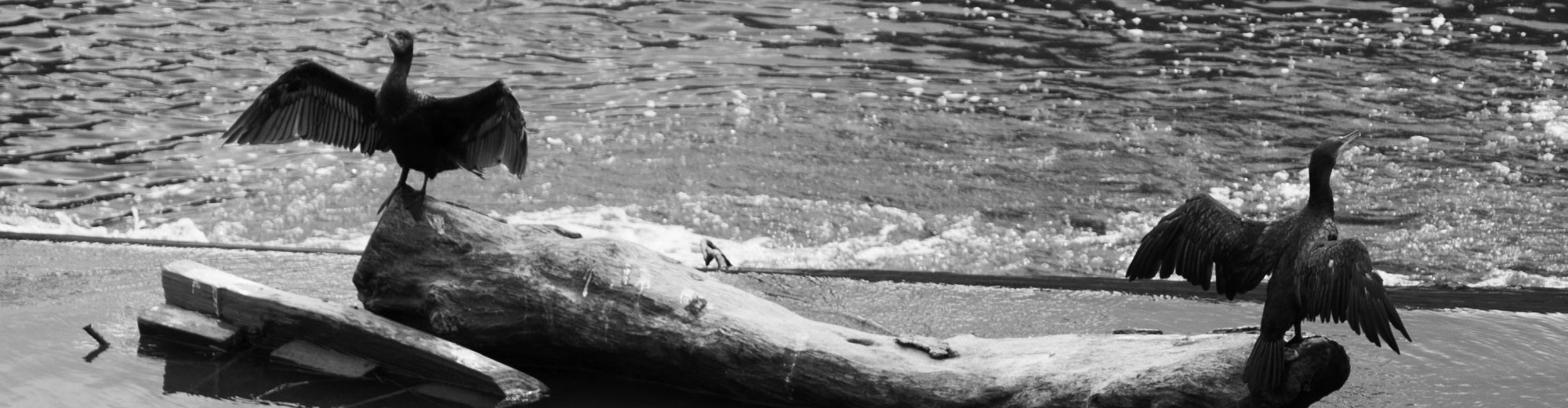
Ed
I must confess that when I received an e-mail from author and historian Ed Glinert saying I had been recommended as a potential photographer for a guidebook on Cheshire he was writing, I thought it was a blag. Let’s be honest, in the realm of the ether, one never knows whether one is dealing with a real person or an AI bot generated in a data centre somewhere behind the iron curtain. After a quick Goggle I established Ed was not only a human being, but also a highly regarded author and historian, and I agreed to meet him for a chat at the Vienna Coffee House in Manchester.
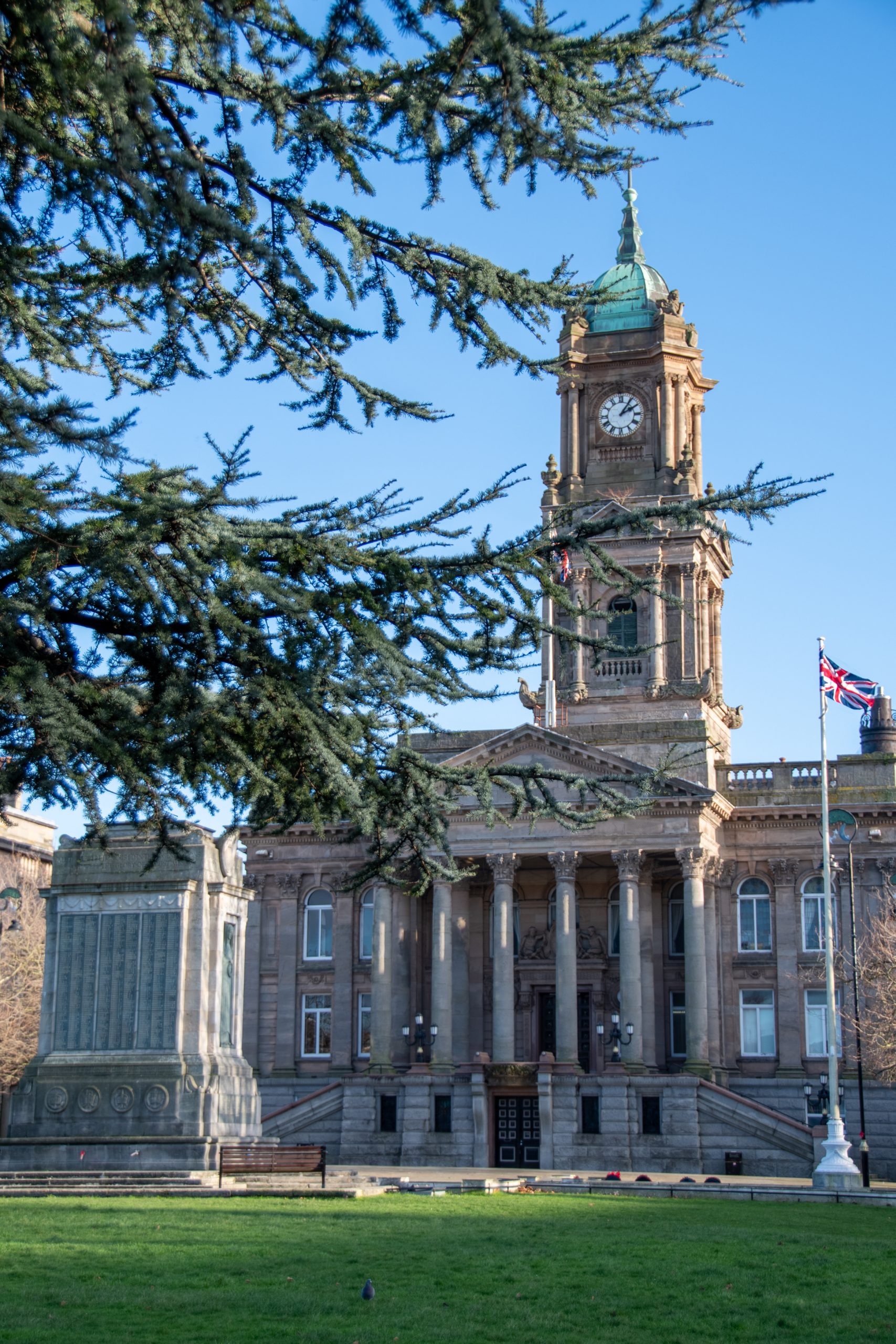
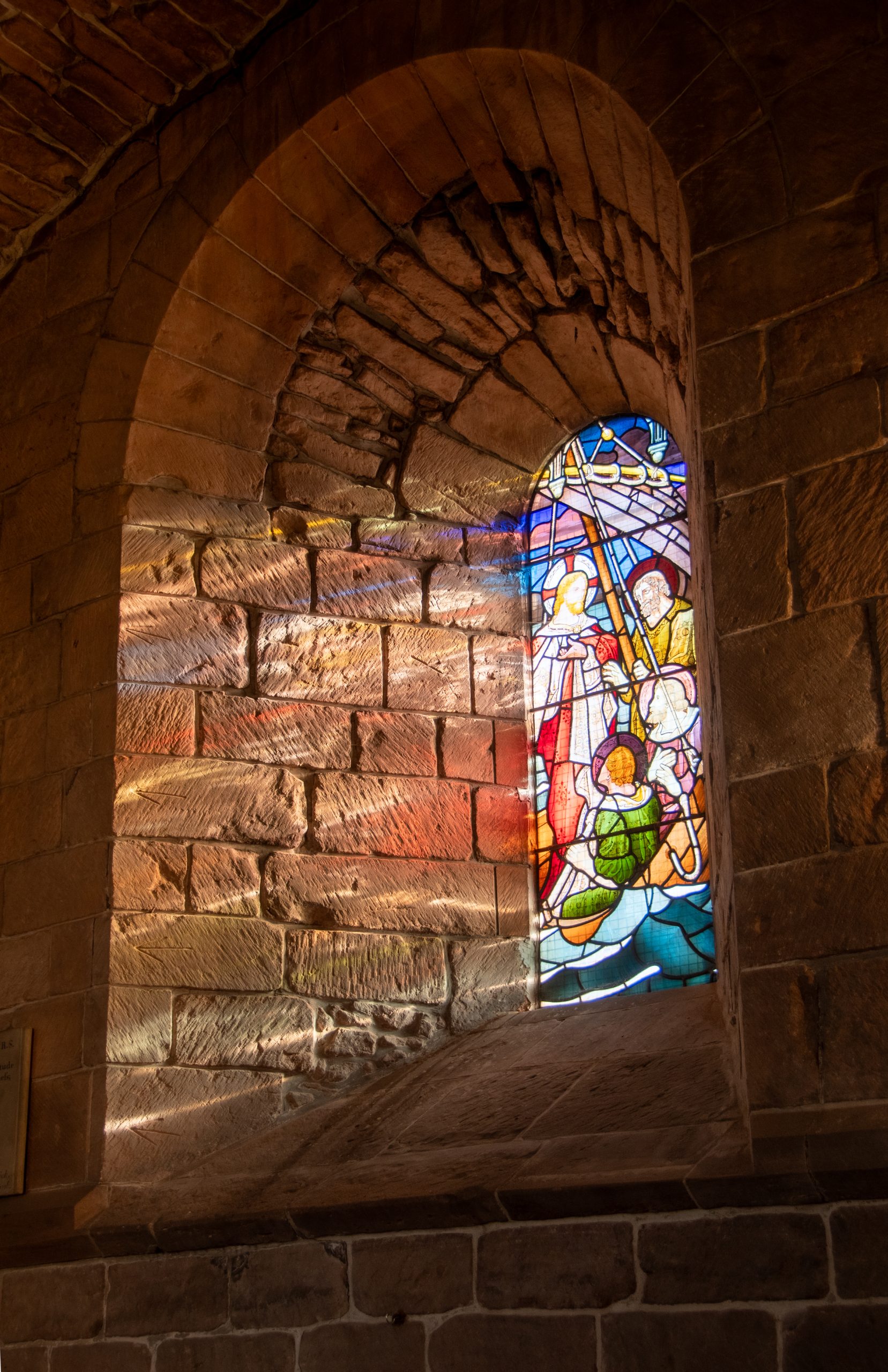
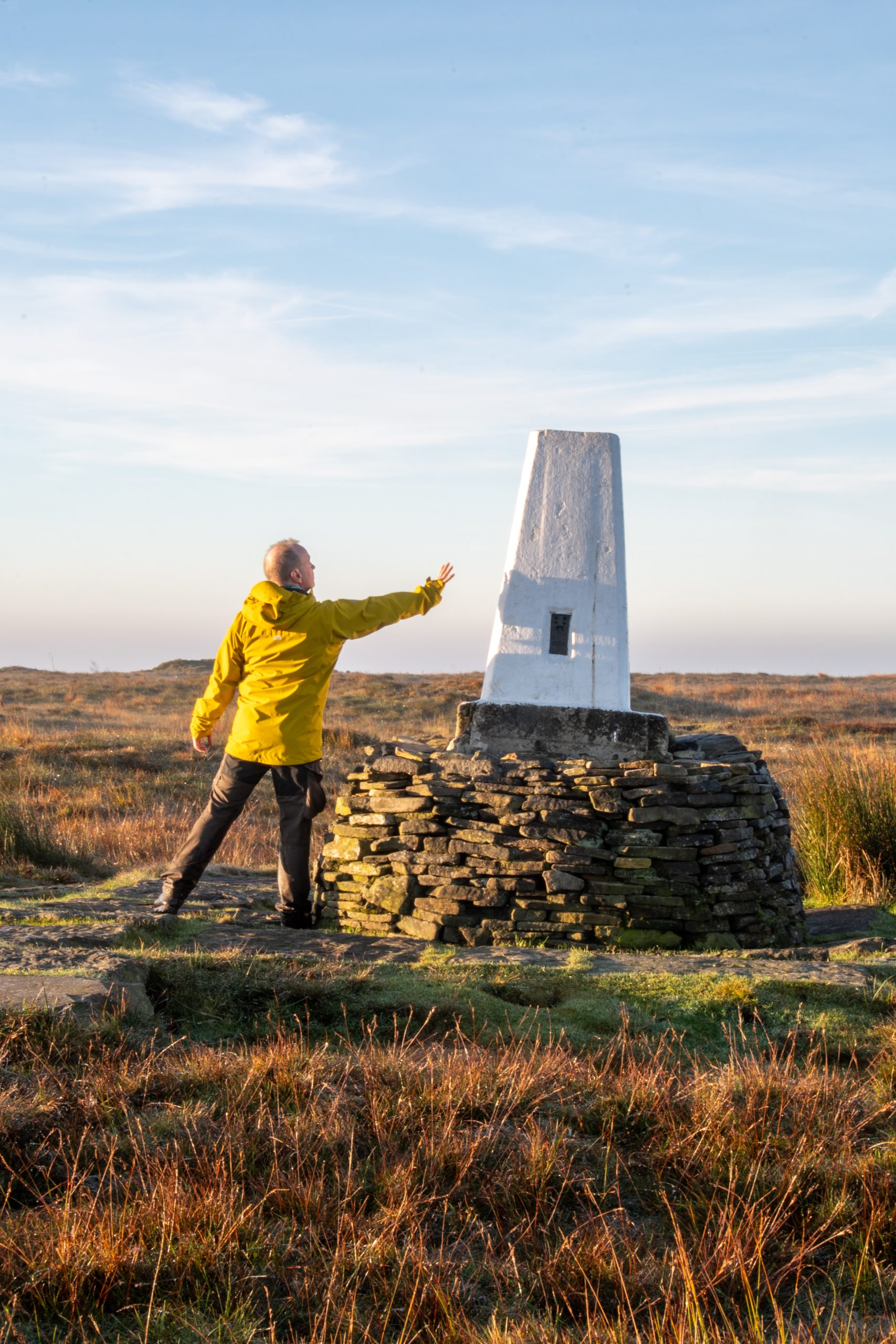
The Brief
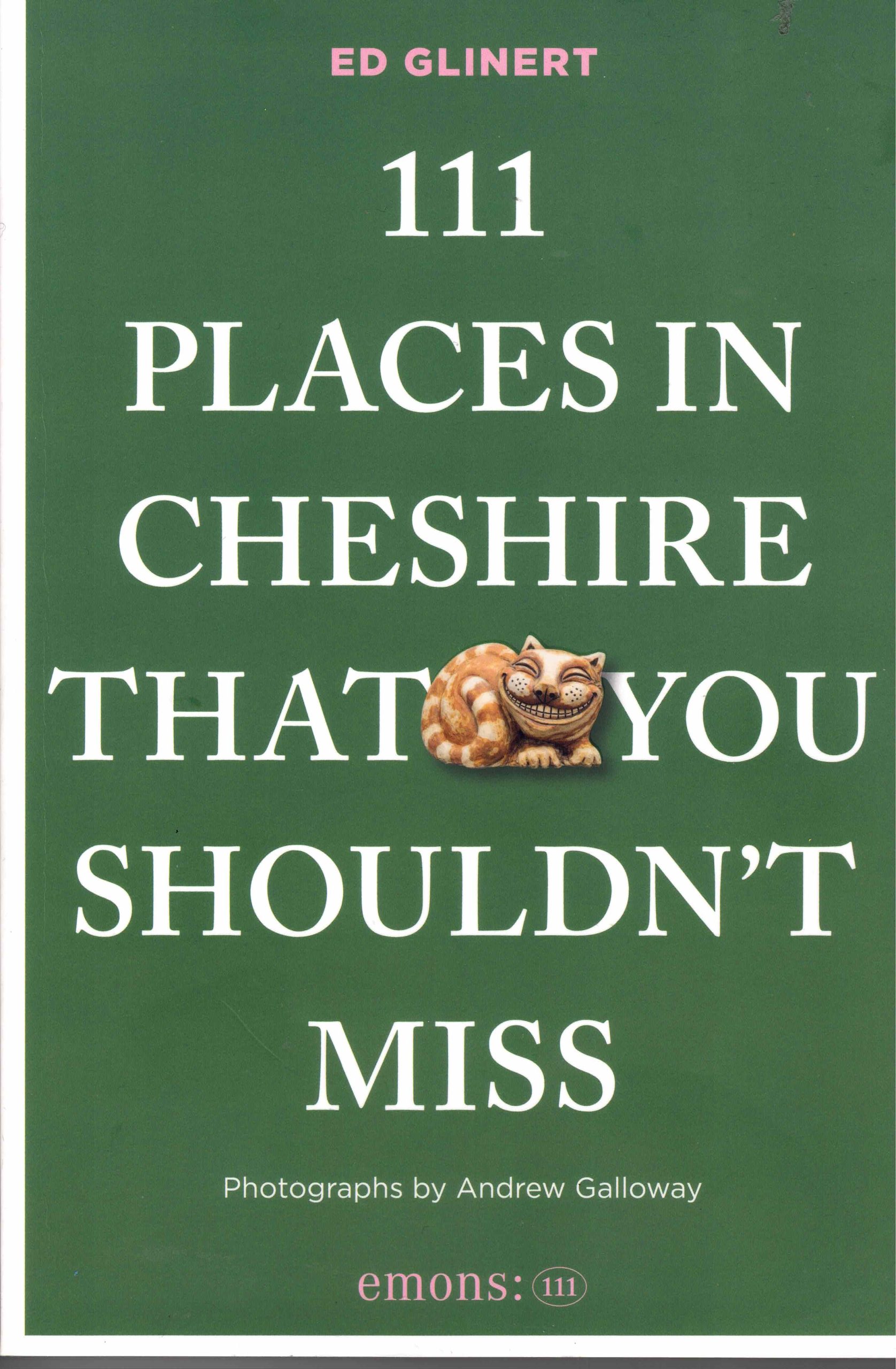
The brief was to provide images for an addition to the 111 Places guidebooks published by Emons. These have proved to be very popular over the last decade or so, with titles such as 111 Places in London You Shouldn’t Miss, 111 Places in Yorkshire You Shouldn’t Miss, 111 Places in Droylsden You Shouldn’t Miss, you get the idea; although publication of the last title has been held up, I hear.
Having got in contact with Emons they asked me to submit a small portfolio based on the following specifications:
- Each images at least 300x200mm or 8.5”x5.5”
- Resolution 300 dpi
- Portrait/Vertical orientation
- RGB colour space jpeg, tiff or RAW
All very straightforward. Being predominantly a landscape photographer, the only departure from my usual modus operandi was the requirement for Portrait/Vertical orientation. I spent the day in city centre Manchester and put together what I thought was a pretty impressive submission. A few days later Emons offered me the job. I was thrilled, if ever so slightly apprehensive.
In addition to the format spec above Emons wanted me to submit 3-4 images per location. They also reserved the option to request reshoots or additional images if necessary.
So that makes 333-444 images to submit. And from experience I knew that to get one image worth submitting I’d need to take at least ten images, maybe more. So that makes 1,110 images at least. And that’s not taking into consideration a mild case of perfectionism and OCD.
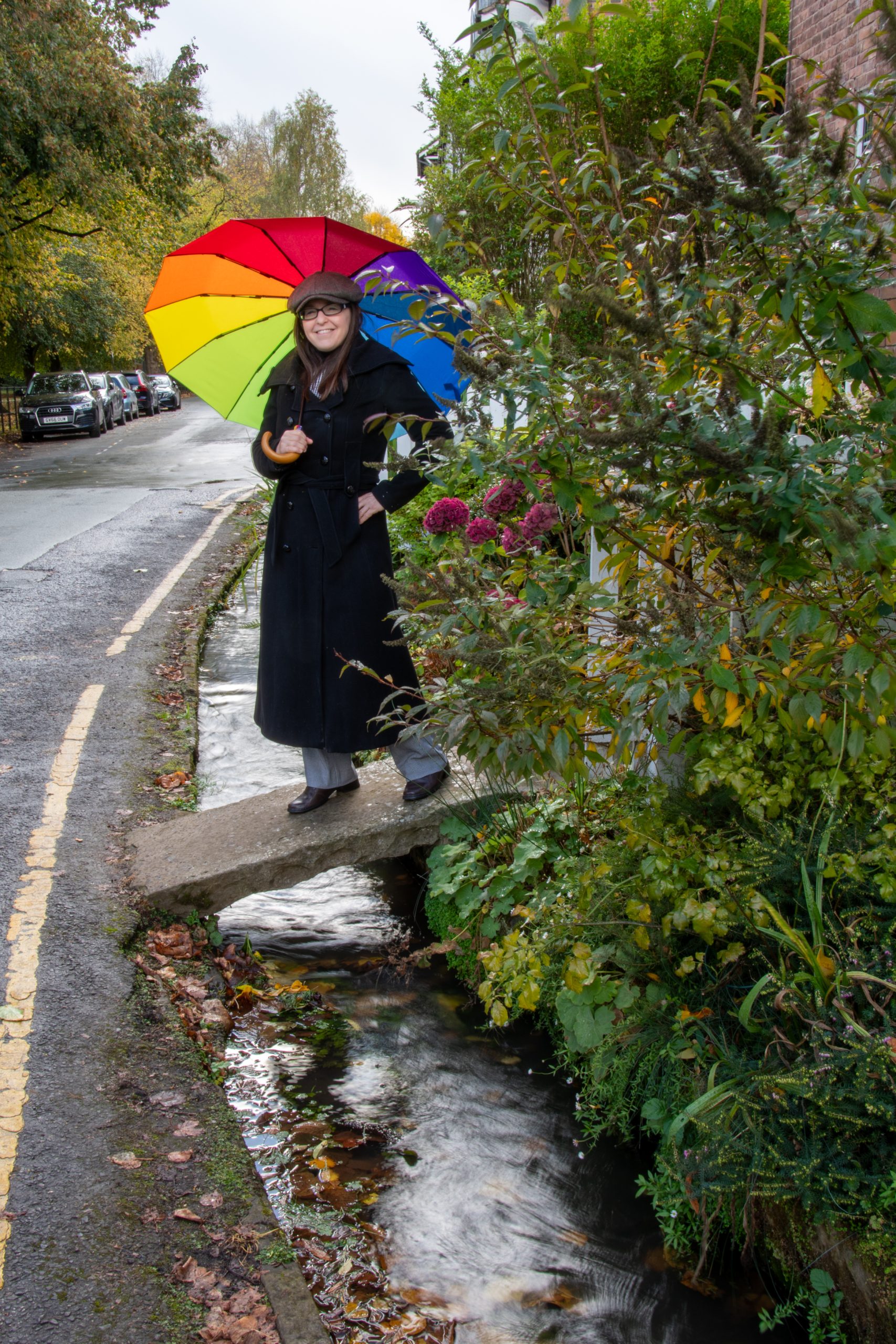
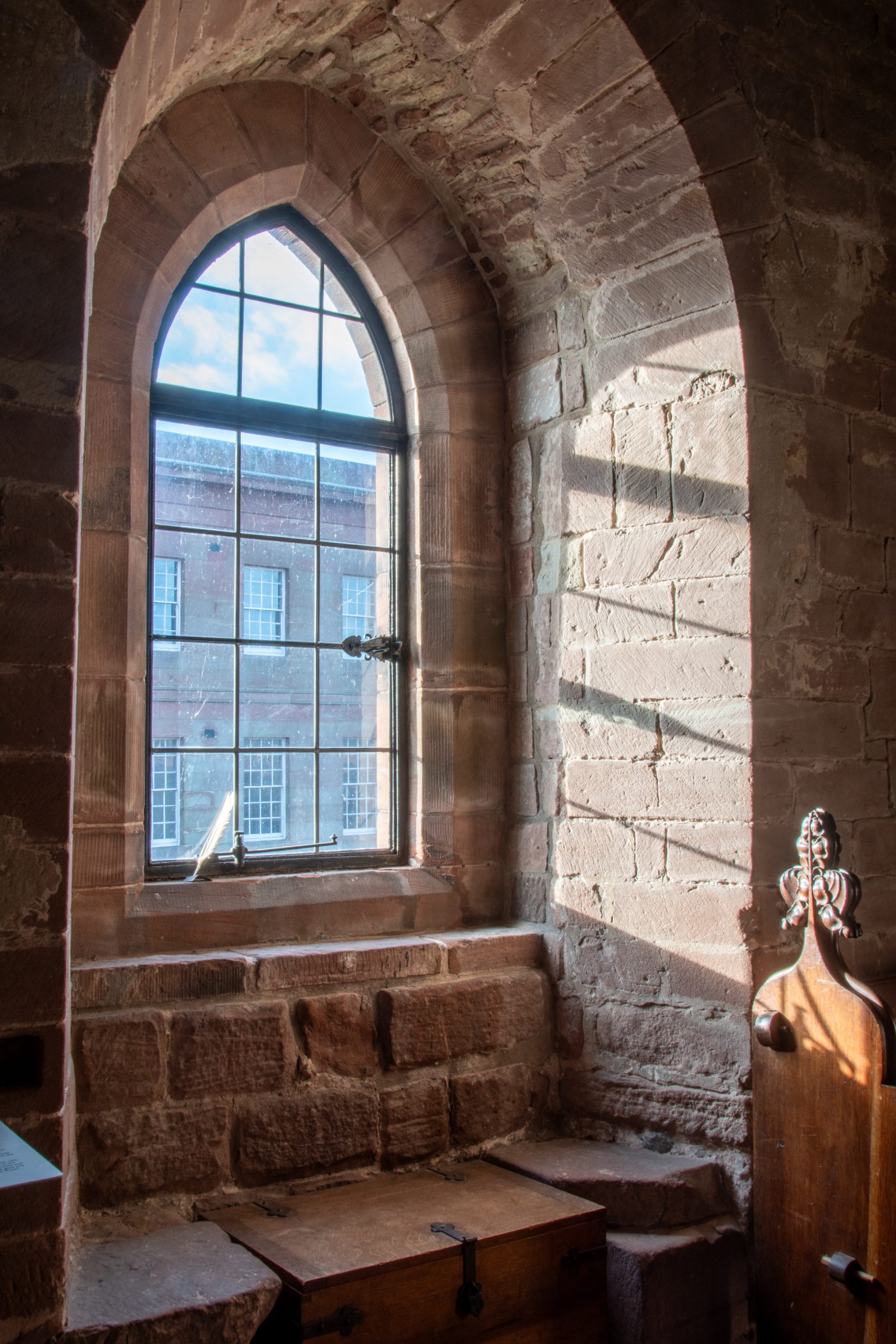
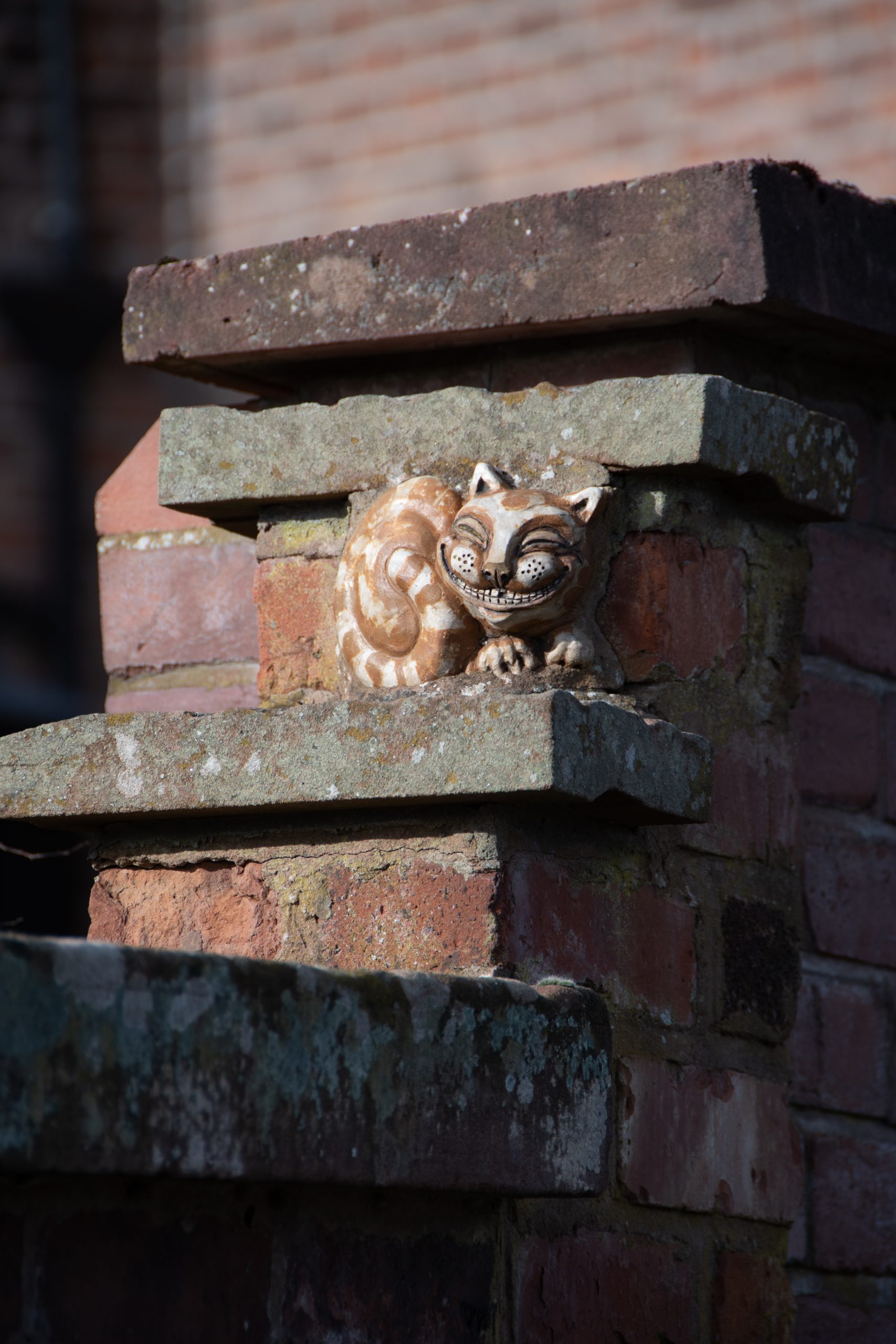
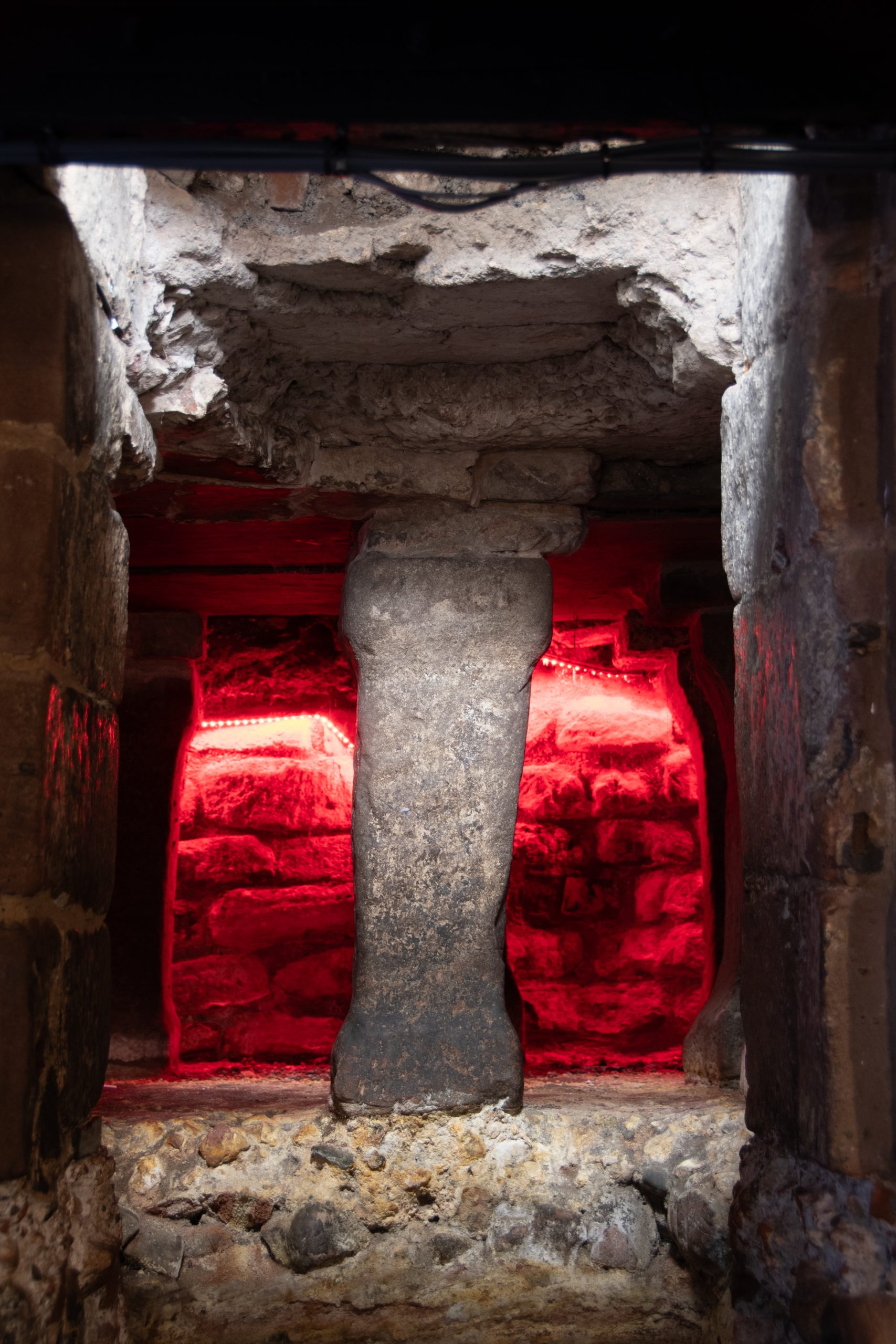
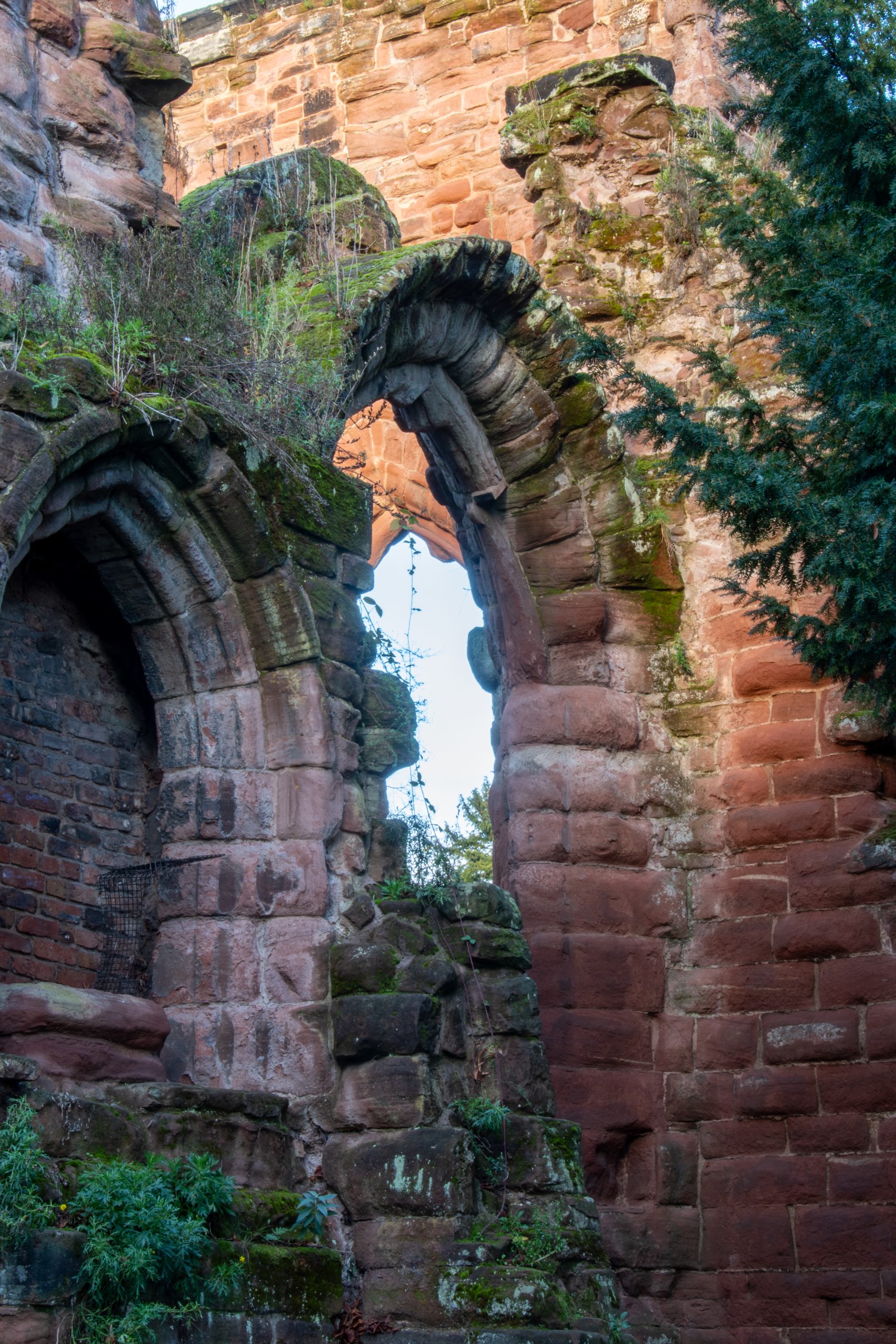
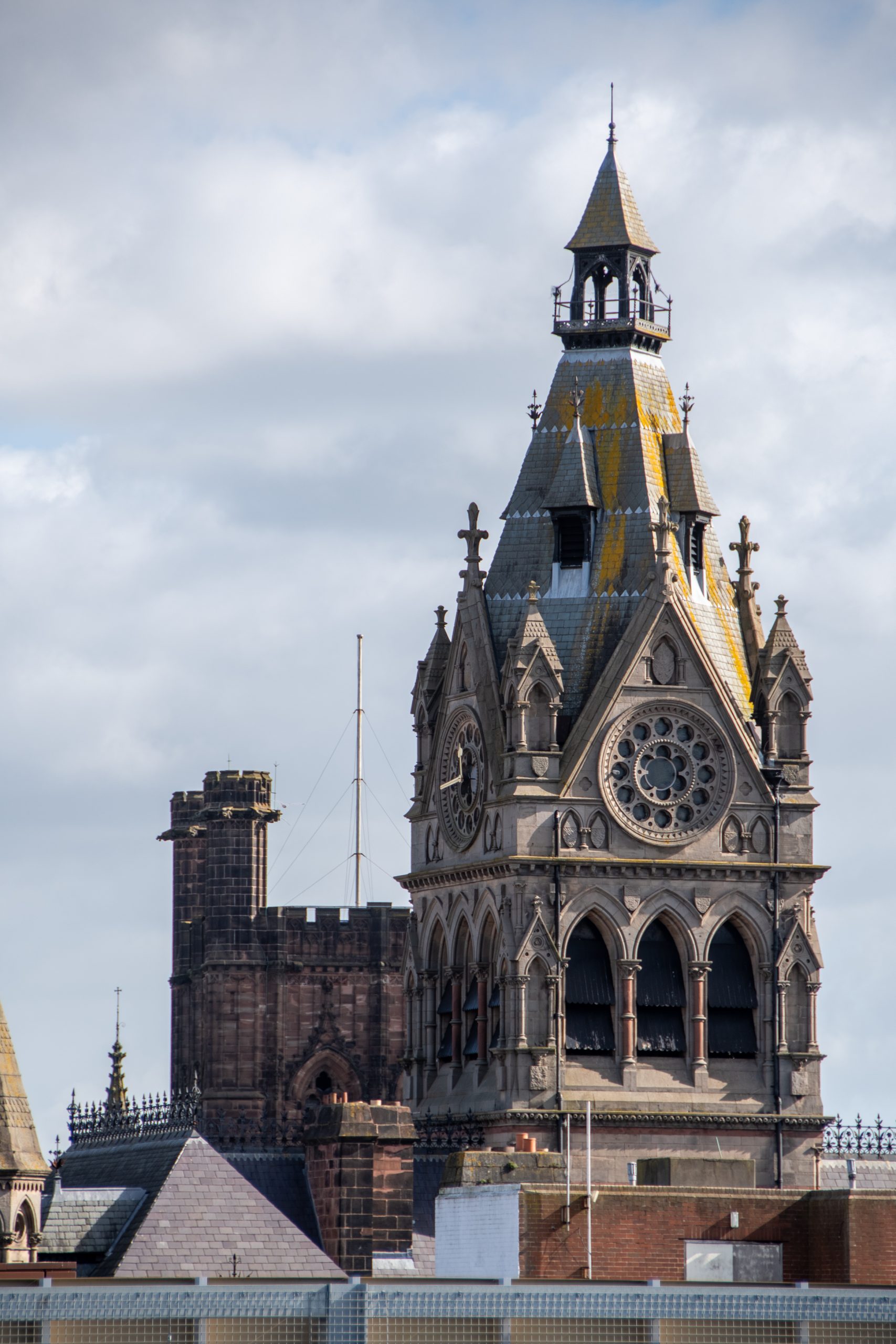
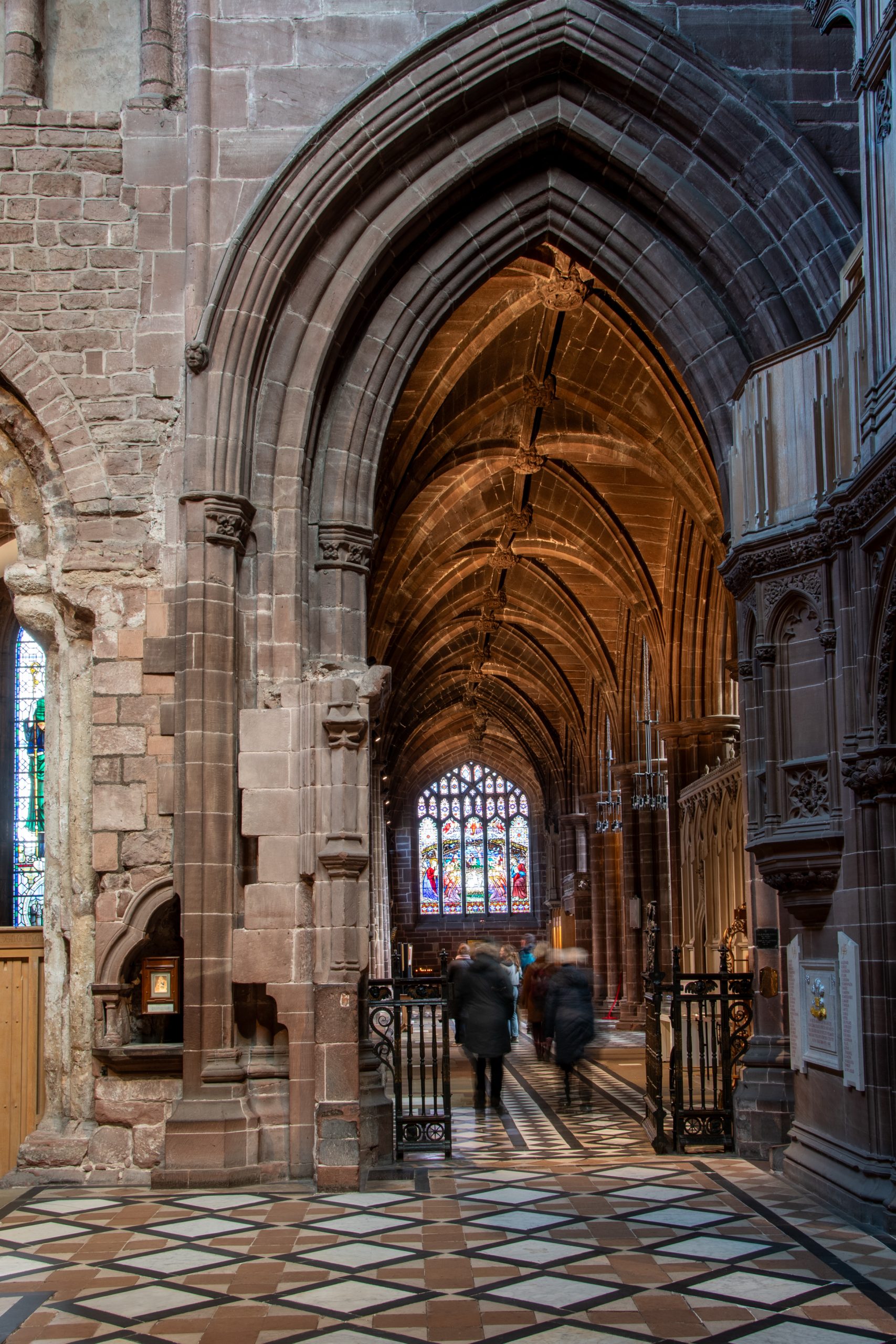
Schedule Planning
The next consideration was how to schedule each location. Ed provided me with a list of locations, although back in September 2025 this was not complete. Some were obvious, such as Alderley Edge and Little Moreton Hall, and a good twenty of the locations were in and around the city of Chester. Where possible I clustered locations together with the aspiration of shooting 5 to 6 locations per day. Even so, with only weekends and a handful of annual leave days available with which to complete the project, even with the best luck in the world I was looking at 20-22 days of work. And that didn’t include processing and editing.
The first location I shot was Black Hill above Longdendale. Now I know what you’re thinking, that there’s no way Longdendale is in Cheshire. Well believe it or not, until 1974 it was, forming what was known as the Cheshire Panhandle, a narrow projection of the historic county of Cheshire extending far into the Peak District. In 1974 much of the panhandle was subsumed into Tameside, Greater Manchester, but for the purposes of the book, we took the decision to include historic pre-1974 locations of interest.
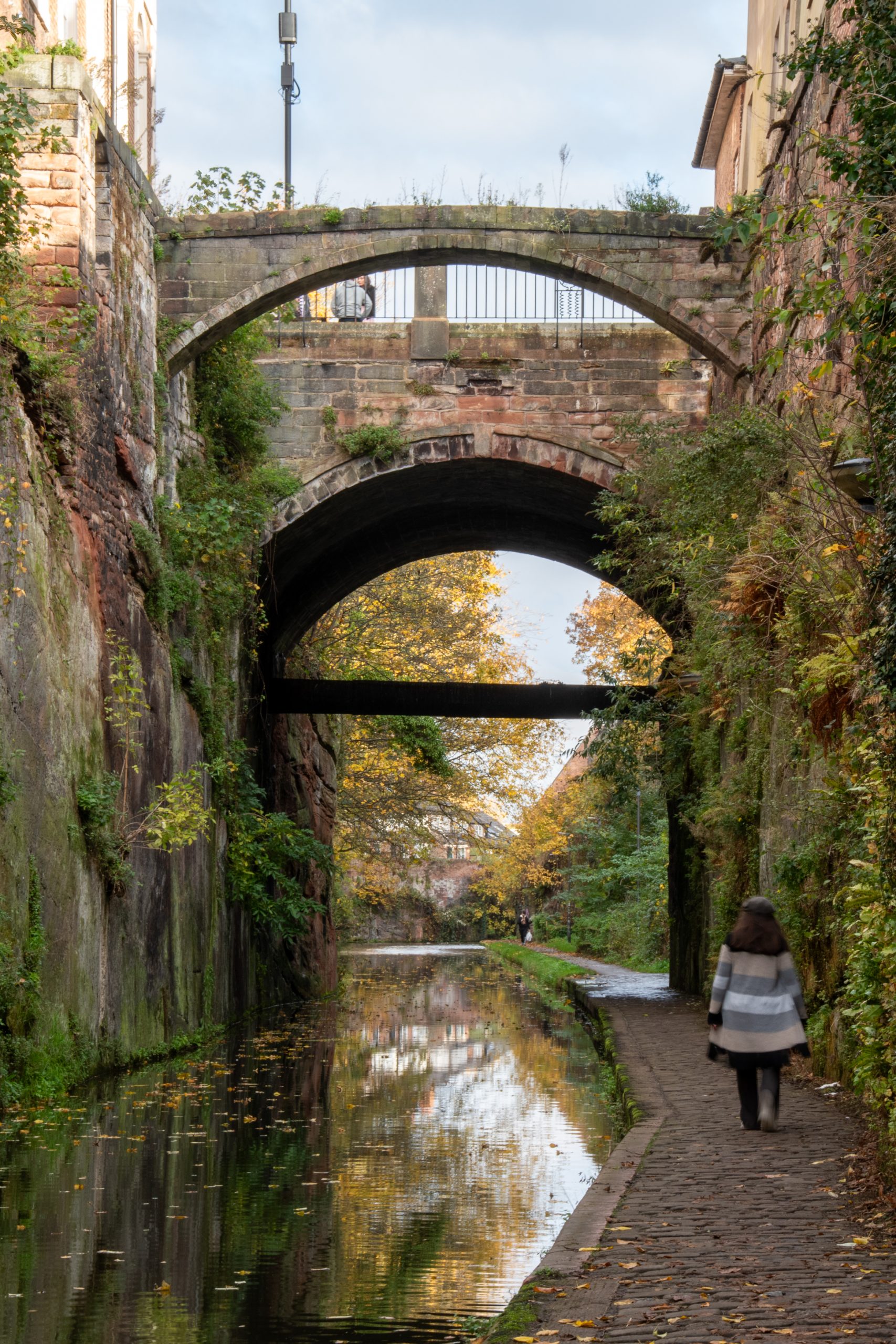
I decided to tackle Chester next, so booked a couple of nights at a reasonably priced hotel in the city for me and my then fiancee Faith (she’s now my wife). I was up before sunrise each day, shot as many locations as I could, met Faith for lunch, continued to shoot until sunset, then met Faith again for the evening. However, even in mid-October I found that the light really began to fade by 3pm, with some locations, depending on the orientation, being into shadow. I also got really lucky with a couple of perfect golden hour shots, St John’s Church being a case in point.
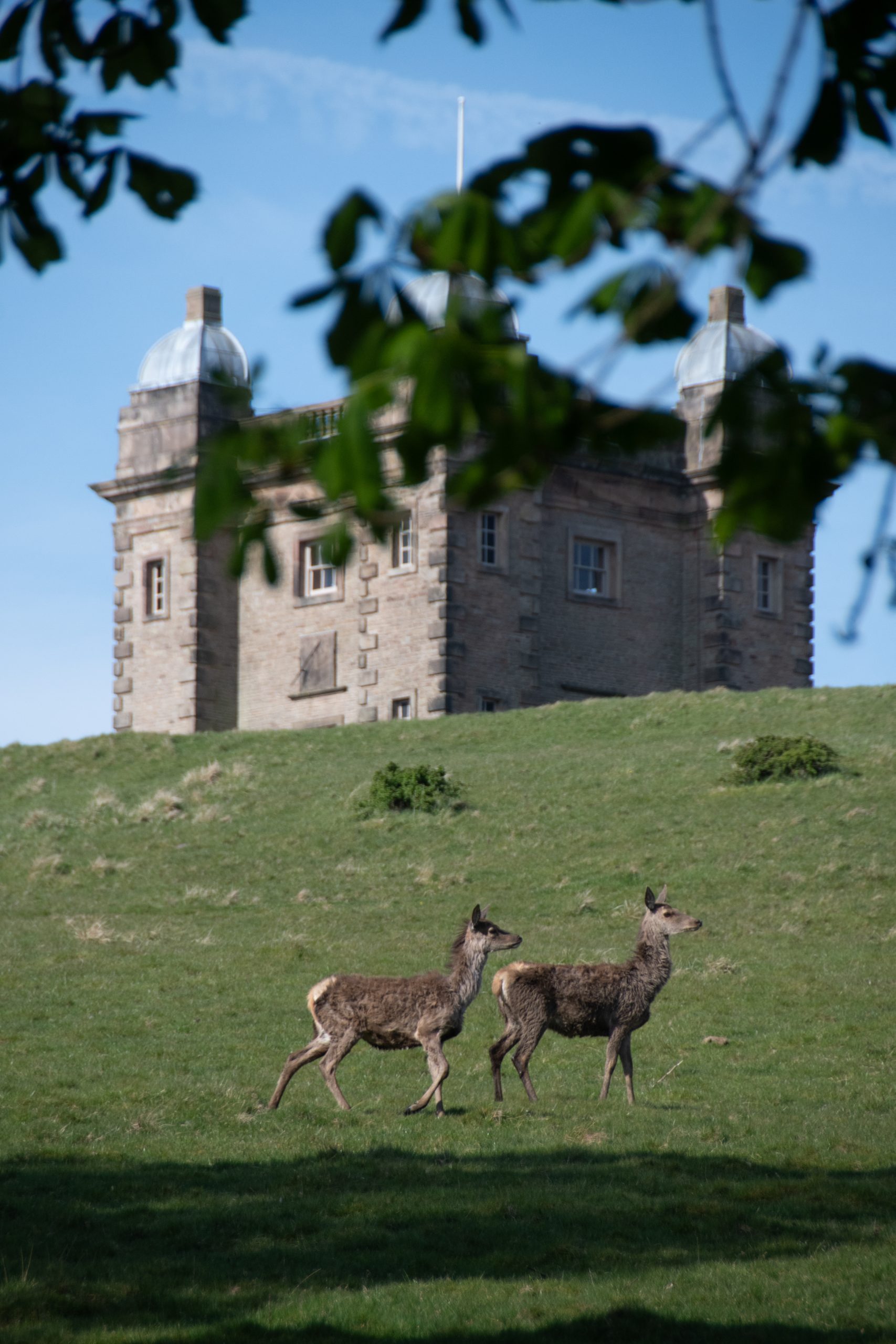
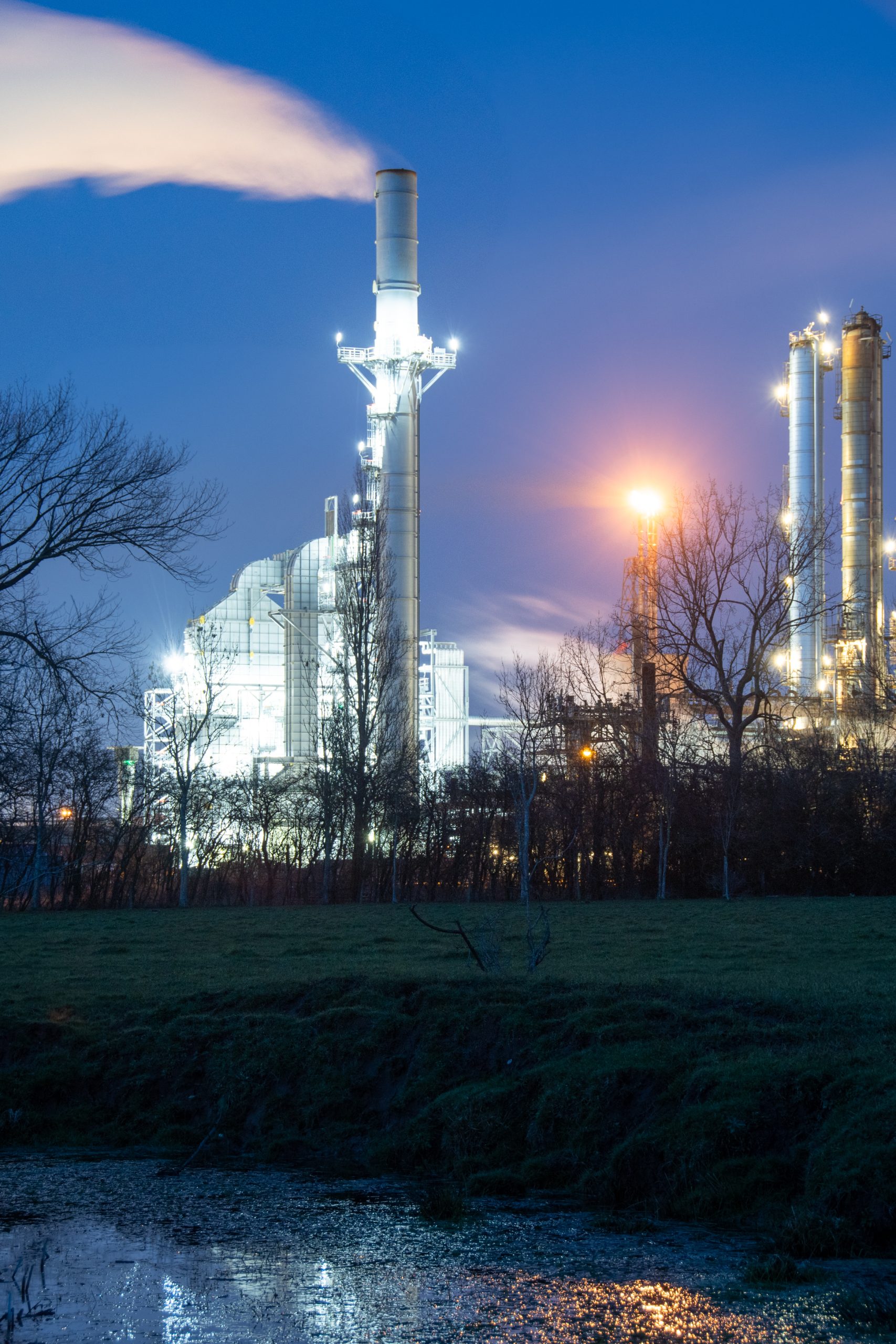
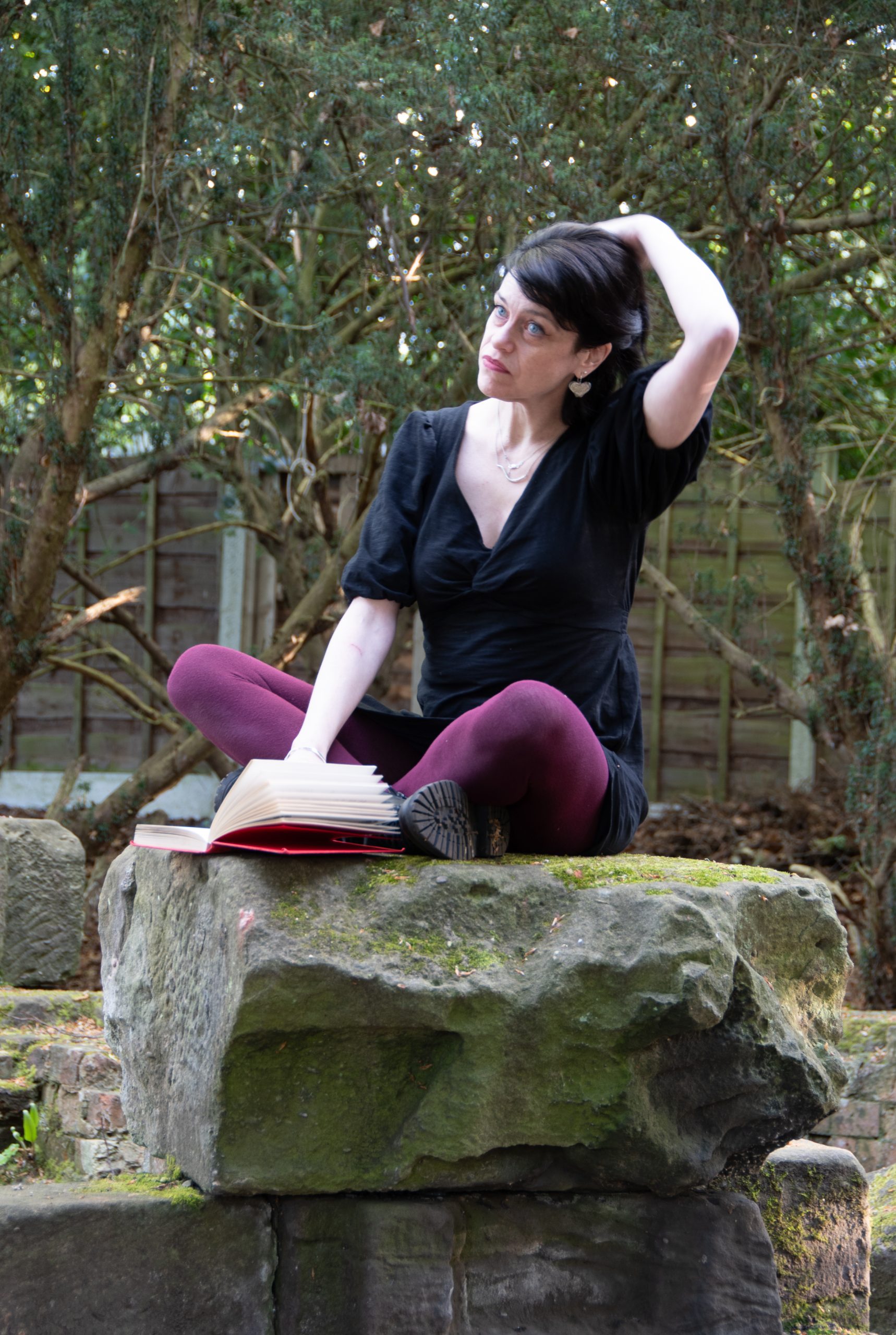
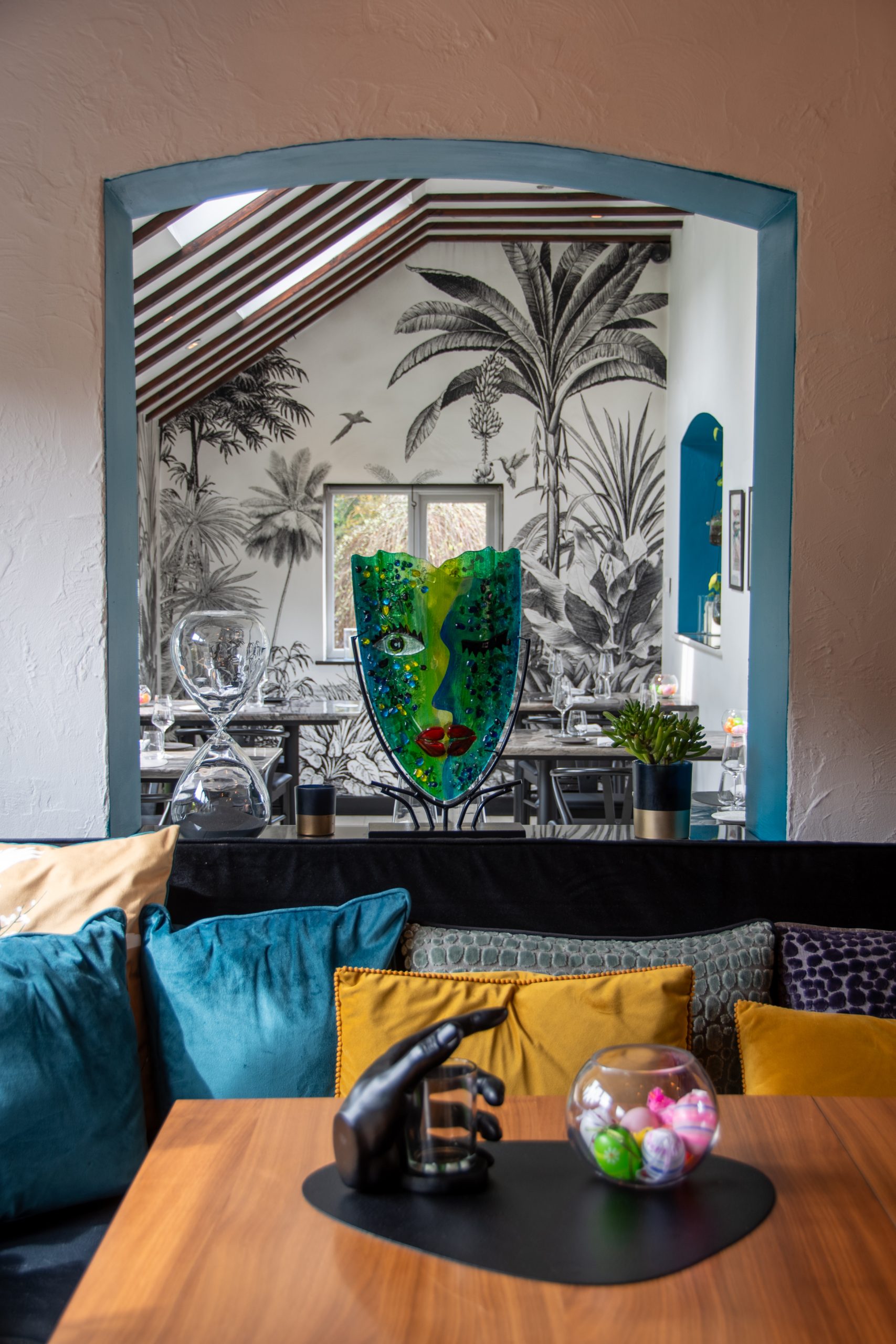
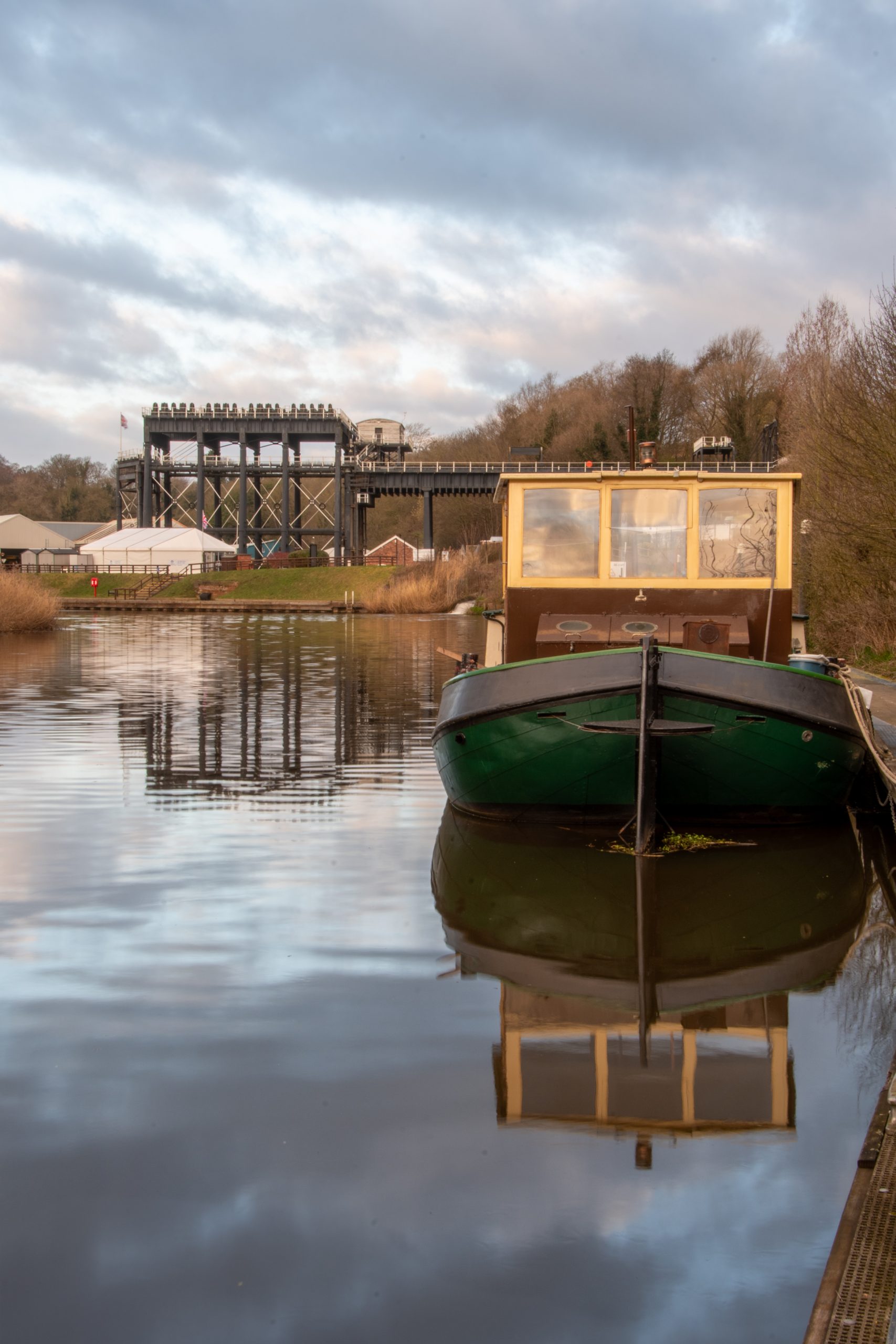
Get orf my land! Again!
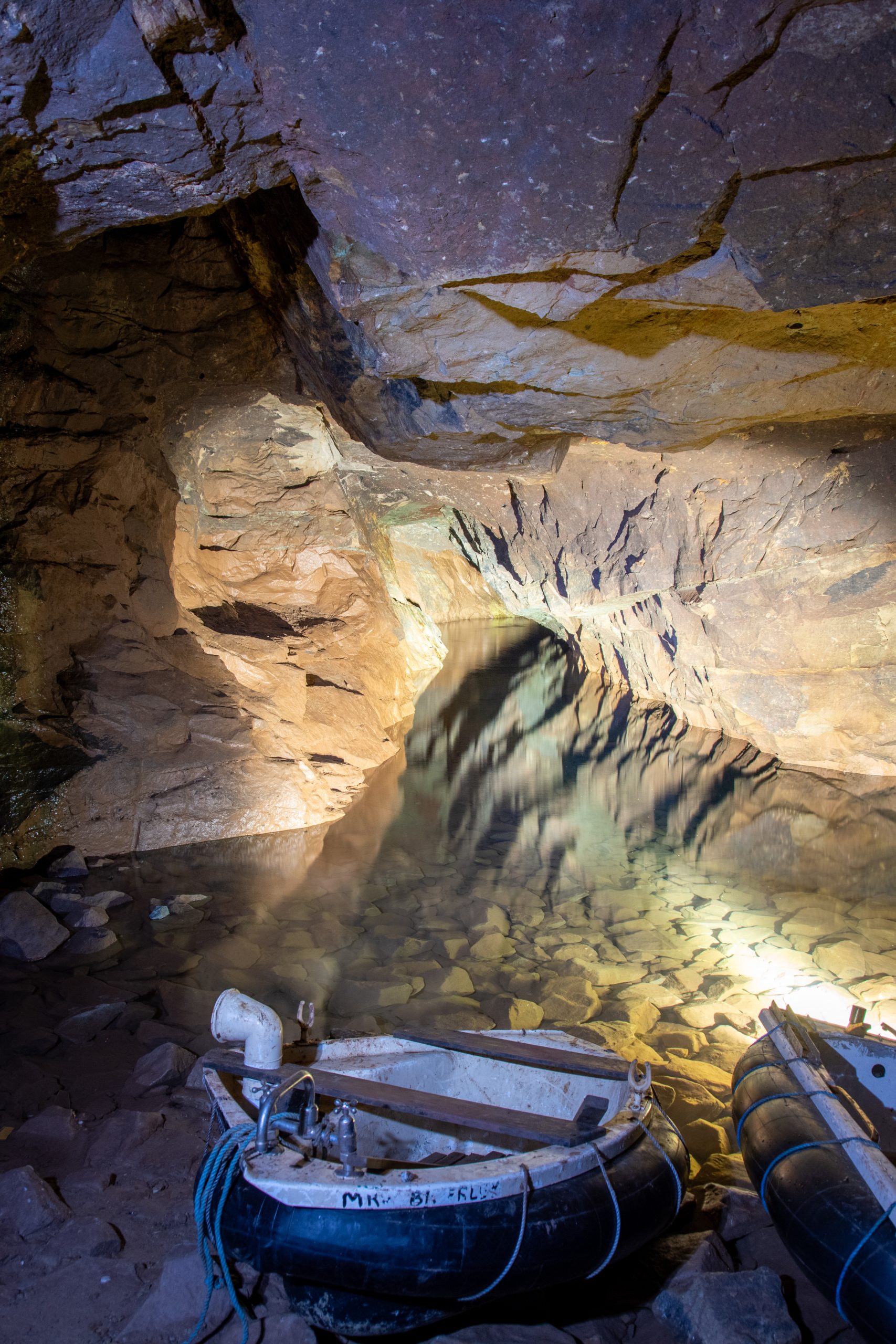
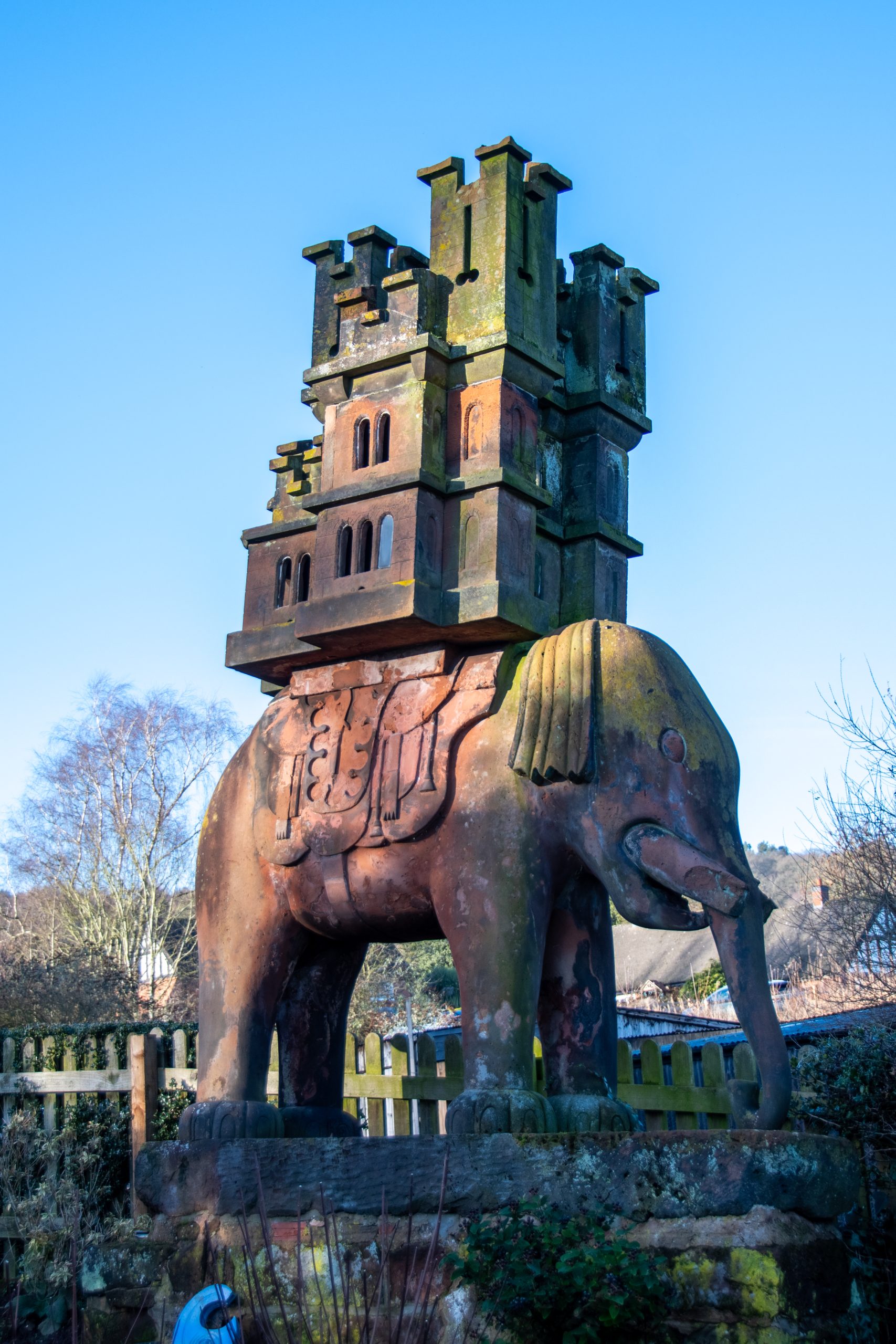
Part of the brief was to obtain location release forms for any privately owned property. In truth this was probably the most challenging aspect of the project. What surprised me was how many businesses objected to inclusion in the book. With an initial print run of 300 copies this was going to be free publicity for any business included. I could understand objections if the location was a private residence, such as the lady with the enormous statue of an elephant and castle in her garden in Peckforton. As it happens, she was one of the most helpful property owners. Some refused to participate altogether, such as the author Alan Garner, who owns the Old Medicine house in Blacken. Whereas others wanted to see a handful of the old folding greens before they would provide consent. The most unexpected example of this was the National Trust, my opinion of which has changed entirely since having to deal with them on professional basis. So reluctant were the National Trust to participate in the venture that for some locations we had to shoot alternatives off site. Hence why in the book the image for the mines at Alderley Edge in a random shot of the woods, taken off National Trust property. Make no mistake folks, the National Trust are happy to have the hoi polloi on their property when it suits them, paying an admission fee, drinking tea and eating scones in the on site cafe, but try getting access to “their property” out of hours, and they suddenly take on the persona of not just any landowner, but of the third largest landowner in the country.


Smiling like a Cheshire Cat
Resentments aside, it was great fun. All images were submitted by the deadline and without any locations needing to be reshot. I really enjoyed discovering locations that, despite having lived most of my life within a stones throw from the Cheshire border, I had never heard of, such as the Peckforton Elephant & Castle (already mentioned), Birkenhead Priory and the lost port of Parkgate.
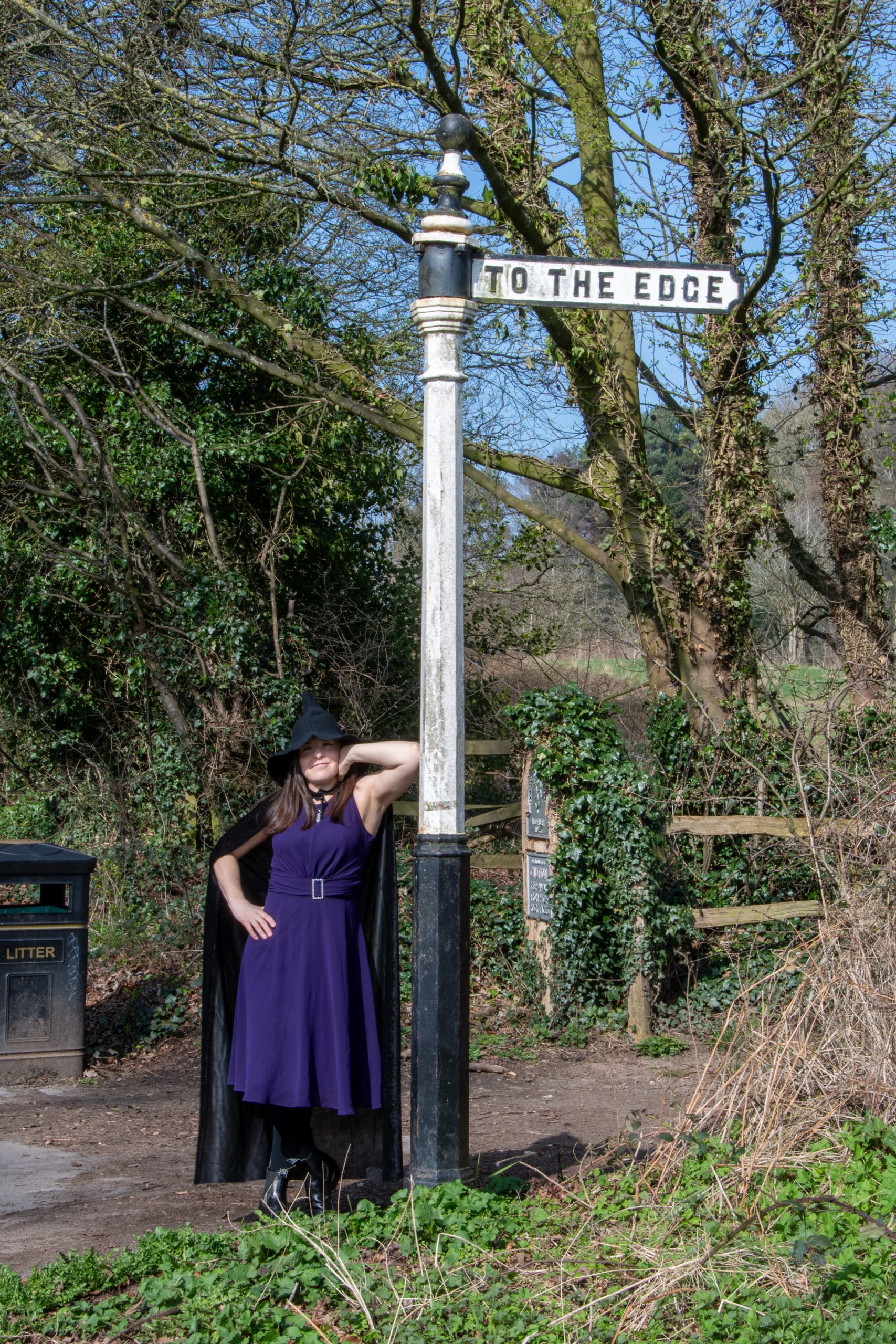
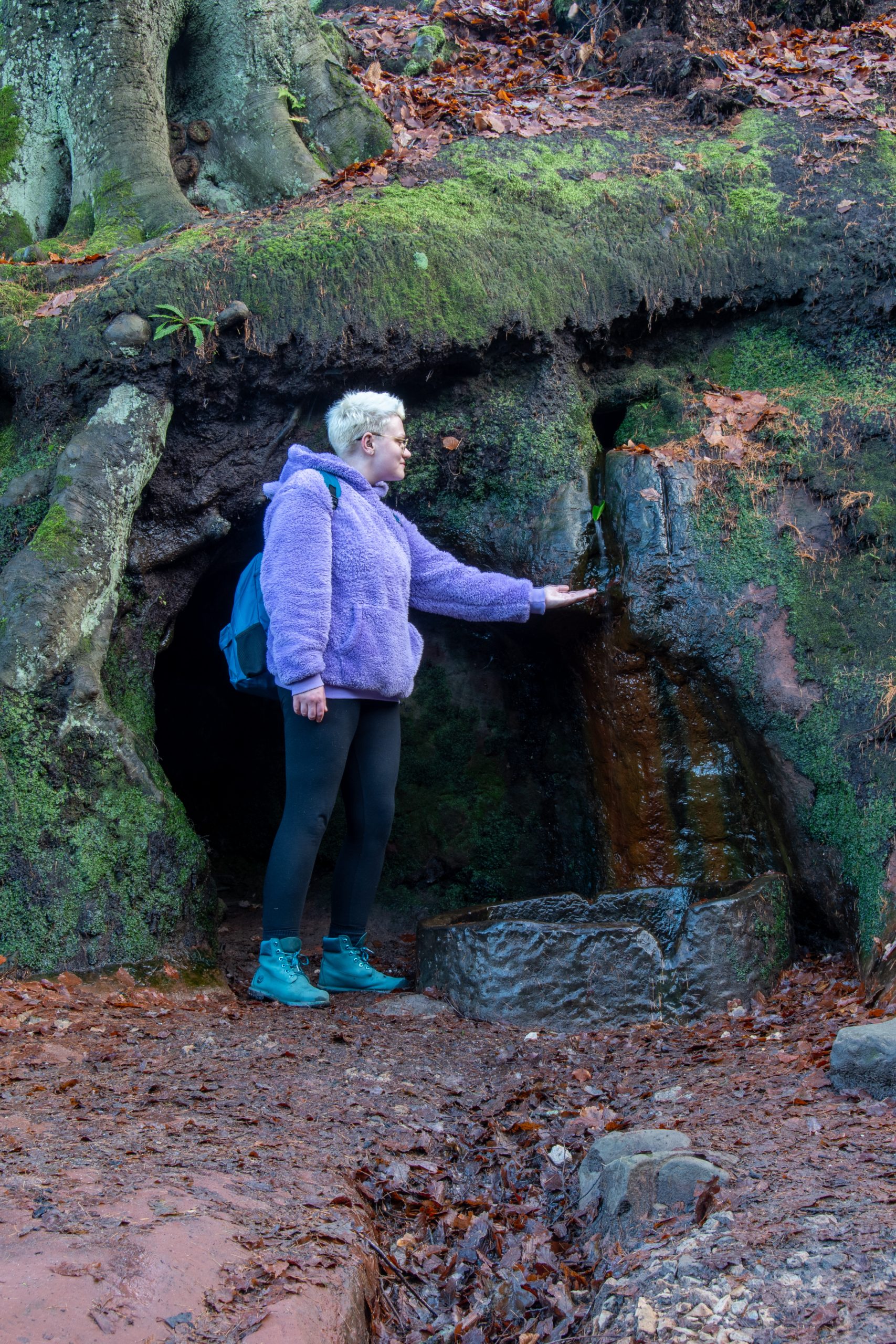
Images published in the book were the choice of Emons. Some images we could not use because we did not have the permission of the landowner (see above).* The images above include my favourite shots.
My favourite location? I’m gonna go for the cobweb painting of the Virgin Mary in Chester Cathedral. I must have walked past without noticing it many times. And there it is! Don’t belief me? Buy the book!
*Footnote: The National Trust does allow individuals to post images taken on “their property” so long as they are for personal use and the individual makes no financial gain from them. Ridiculous, given the prevalence of unregulated social media influencers. It seems that the National Trust is still living in the 20th Century.